Grilling is a first-rate fuss-free cooking approach, and quite frankly, we’d rather not make meat (or fish, vegetables, or fruit) any other way in the summer season. But here’s the element: According to Chef Andre Rush, one of the pinnacle cooks inside the United States military and an award-winning member of the U.S. Culinary Arts Team, domestic chefs make all styles of errors while grilling. Luckily, none of them are tough to fix. Here’s the Chef’s professional recommendation on the way to barbeque higher, with lots of time-saving advantages to boot!
1. Choosing the wrong form of grill method
There are such a lot of exceptional methods to sear foods on a grill that it could understandably be tough to know precisely what to do with the grill you’ve been given. Charcoal and gasoline are the main kinds, but electric and pellet grills are also pretty commonplace, and the guidelines are different for any of such alternatives. As a rule of thumb, keep in mind that charcoal is much extra hands-on than gas because the heat is inconsistent; you need to know how to use direct and indirect heat to get top outcomes. If you’re more of an amateur about grilling, no-hassle—pass for gasoline instead.
2. Opening the lid too often
Keeping the grill lid closed is another trouble we regularly see cooks having a difficult time with—it’s in our nature to keep checking on what we’re cooking. Just remember that your grill is like an oven, and on every occasion, when you open the lid, warmth escapes, and the temperature drops dramatically. It’s mainly critical to keep the grill top closed while cooking for a short period.
3. Moving (or flipping) your meat too early
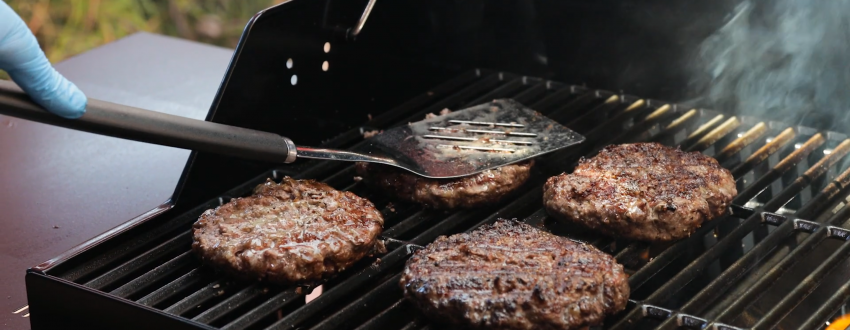
Once your meat touches the grill grates, leave it alone! Chicken, burgers, fish, and more need time to cook and caramelize, and each time you circulate them, you essentially begin over. Once your steak “un-sticks” from the grill grates, that means it’s geared up to become over. Also, anything you do, don’t press it down.
4. Pairing grilled meals with the wrong form of wine
Thanks to the summertime’s sweltering temps, it’s smooth to count on white or rosé wine as a great option for serving along with barbeque fare. And now, not to nitpick—due to the fact about wine, you have to do you—however, versatile reds are often a suitable pair for grilled meat. “I love Josh Cellars Military Salute Edition Lodi Reserve Cabernet Sauvignon because its flavor profile is so diverse,” says Chef Rush. “It can go along with charred fowl, pork, pork, or even seafood.”
5. Making cleanup tougher than it needs to be
There are some different things you could do to make grill-cleaning brief and painless. First, use grill spray or more virgin olive oil and rub it on your grill’s grates earlier than cooking. It’ll prevent something you’re cooking from sticking, plus it’ll make your grill marks look tons greater described. Second, always ease your grill while it’s still warm with a grill brush. If you look forward to it to cool, it’ll take that much longer to clean.
6. Not taking temperatures
All too regularly, we misjudge a food’s doneness when grilling. It’s clean to expect a piece of meat or fish to be cooked because it’s been on the grill for the recommended quantity of time or because it’s covered in described grill marks, but that is a grave mistake. Relying on visual cues (examining, guessing) no longer makes it easy to over- or undercook the burgers or the bird. However, it puts you, your kids, and your dinner guests at severe food poisoning threats.
The best way to be sure is to enlist the help of a food thermometer. When placing, ensure you place it into the meat’s thickest part to take its internal temperature. It’s additionally crucial to recognize what the encouraged cooking temperatures are—locate those right here.
RELATED: 7 Simple Ways to Avoid Food Poisoning
7. Assuming all vegetables cook in the same quantity of time
When grilling delicate foods like vegetables, there are a few things you can do to ensure they come out precisely as you’d like them to. First, get a vegetable rack you can stick on your grill—it’ll supply the same results as the grates will and help maintain everything. Second, don’t reduce your veggies too small, especially if you don’t have a rack. The small-sized portions will either fall through the grates or be prepared too quickly (or each). Third, and most significantly, understand that now not all veggies cook dinner at an identical velocity. If you want to take the whole thing off the grates simultaneously, try to cook dinner with similar vegetables together handily. Potatoes and asparagus, as an example, have very extraordinary cooking instances. Broccoli and cauliflower, however, can be grilled to perfection together.