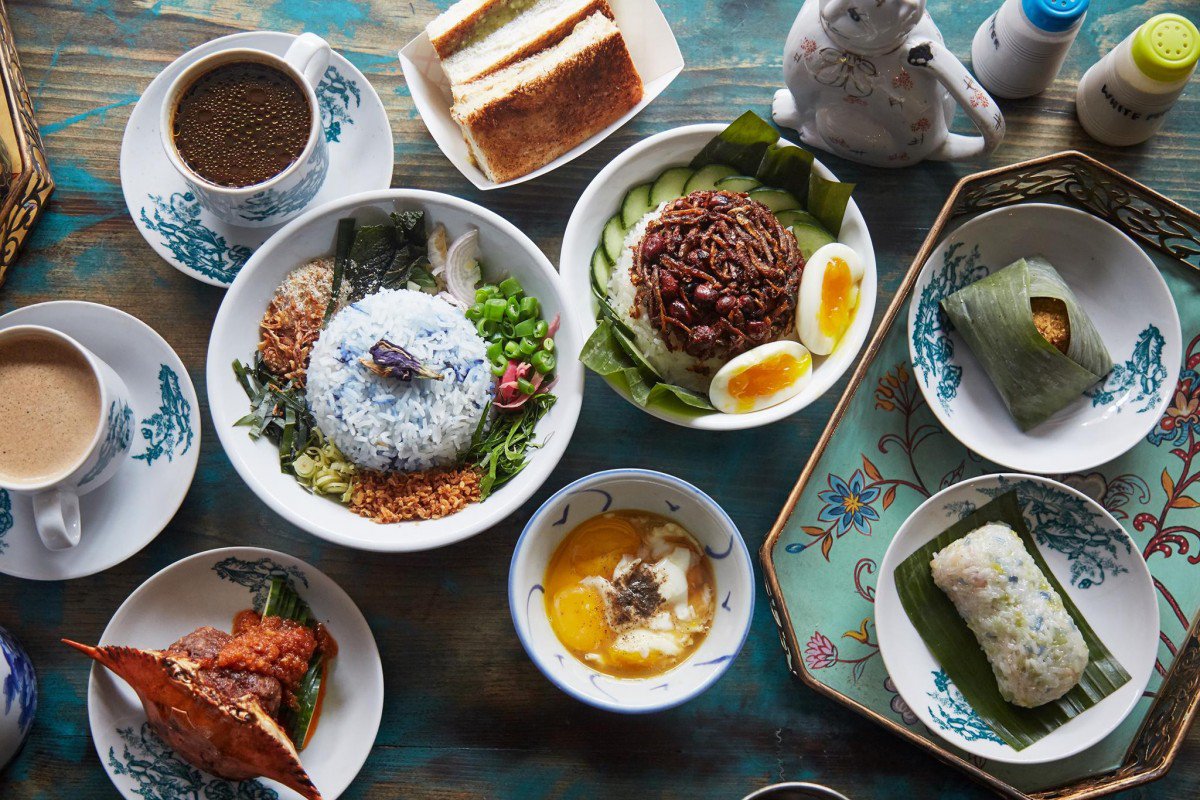
In Manila, eating is more of an obsession than an activity. At every hour of every day, the city’s denizens may be observed engaged in every feasible form of eating—slurping clean ramen noodles in tiny booths, enduring kilometric strains for milk tea or samgyupsal, standing barefoot at the kitchen counter at the same time as hastily unwrapping the latest food transport. While we’re not consuming, the next nice thing to do is plan the next meal.
What new dish ought we to try next? What fantastical new eating place have we no longer yet attempted out? The feeding frenzy fuels a call for more and ever more food content—the whole lot from magazine functions and listicles, blogs and vlogs, to social media posts and Yelp critiques. We are every person, purchasers and manufacturers of meal content, and we’re so immersed within the system that we routinely post our stories even before we consume.
There is but one shape of food literature that this city no longer produces. Or, as a minimum, has very little of it: the restaurant review. Strictly speaking, an eating place review adheres to specific suggestions, as stated using the International Association of Food Journalists. The critic has to go to the restaurant at least three times and sample the total variety of the menu, from appetizers to dessert. He ought to pay for all meals in full and—this one is specifically important—should stay anonymous.
Nothing alters the dining experience a lot as being located. Once the chef knows he’s got a critic on his premises, you may make sure the dining experience will change substantially. The reviewer will in no way recognize for certain if this is how everyday diners can be dealt with (most probably not).
Some critics go to substantial lengths to avoid being diagnosed. You can get an excellent idea of how this works out in Ruth Reichl’s book Garlic and Sapphires, in which she wrote about the many disguises she had to put on as an undercover food critic for The New York Times.
Some professional critics added a few personal guidelines. Pete Wells of The New York Times waits at least months after an eating place opens before giving a review, and Doreen Gamboa Fernandez never wrote a terrible review. Whenever she becomes much less than inspired, she could refuse to write about an eating place. Omission became her non-public way of curating through the restaurants of Manila.
That’s no longer all. A food critic should possess a cultured palate for extraordinary forms of food, the expertise of substances and cooking techniques, and extensive knowledge of cuisines, foreign and local. The most effective food critic to ever win a Pulitzer, Jonathan Gold, became so immersed in the eating scene of his liked city that you knew. At the same time, he wrote about a taco, as an example, he evaluated it against each different taco in L.A.
This gave his writing intensity and nuance that a novice couldn’t desire to achieve. And this brings us to the ultimate, and now not the least vital pleasant thing a meals critic ought to have: she or he had better be a darned suitable storyteller. It’s a lot to ask of 1 character, but it’s pretty truthful. With the strength to make or smash an eating place, and the capability to persuade people’s attitudes toward food, it’s far simplest right that critics be held to a high preferred. Remember, a single horrific review can poison the minds and spoil livelihoods. It’s a variety of obligations.