Indulging in a pint of ice cream even as binge-watching Netflix may additionally satisfy your sweet tooth; however, it can come at a cost. Positioned, sugar is awful news to your health, in particular, the processed kind. Added sugar can result in weight gain, increased risk of coronary heart disease, and even accelerate the growing old technique.
“Sugar in and of itself doesn’t age our pores and skin, but foods with a better glycemic index can cause our insulin levels to spike, which may lead to irritation inside the body,” says Deanne Mraz Robinson, MD, FAAD, a Connecticut-primarily based board-certified dermatologist. “This can cause the breakdown of collagen and elastin.” In other words, depletion or damage to the two proteins is part of the reason that our bodies prematurely wrinkle and sag. Since it’s nearly impossible to keep away from all varieties of sugar and the fuel that keeps us moving, it’s essential to understand why and how we need to restrict our intake.
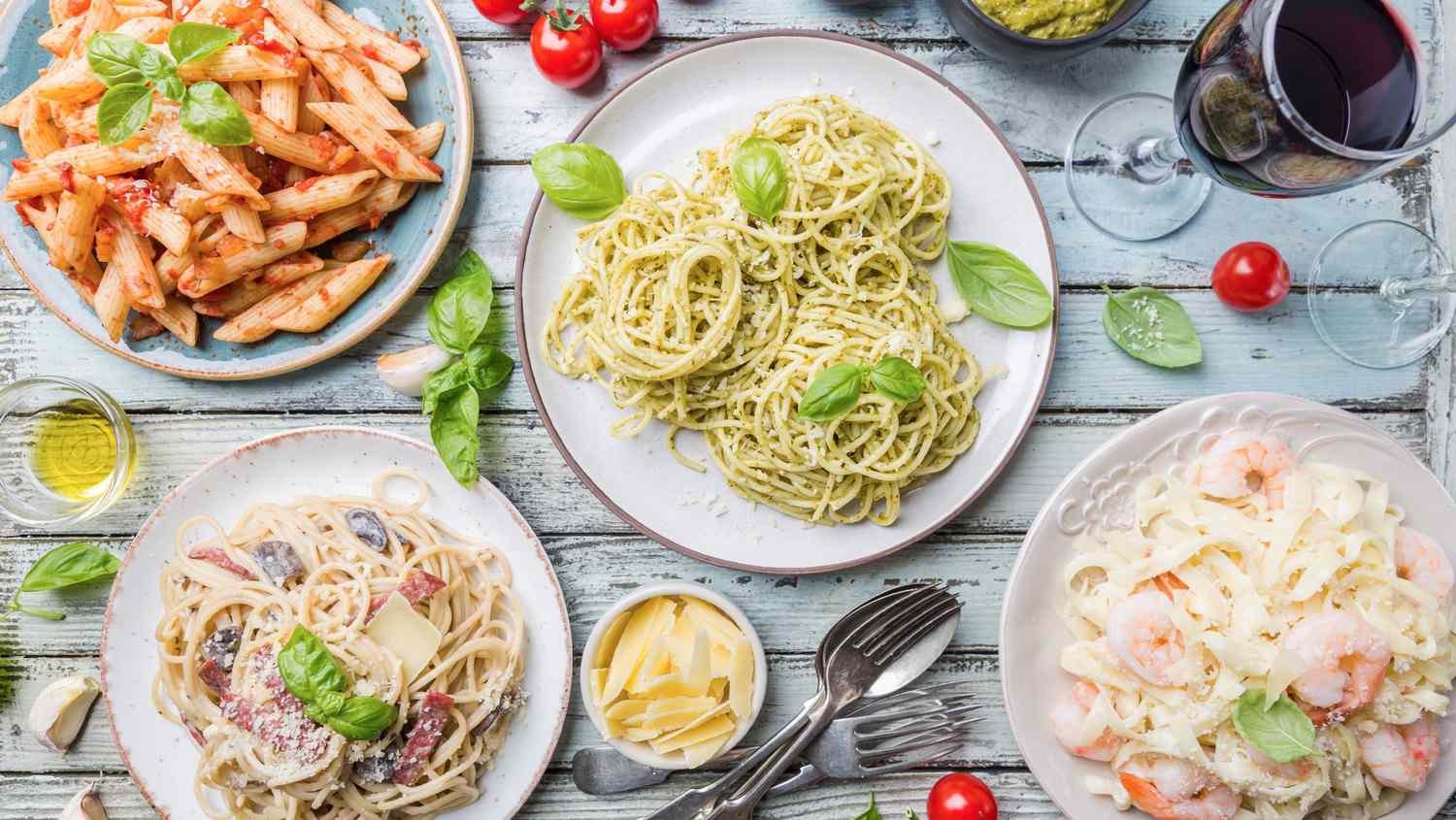
Sugar, in all bureaucracy, is a simple carbohydrate that triggers a glycemic reaction within our bodies, even though distinctive forms of sugars have an exclusive effect on blood sugar levels. Foods that include beans, candy potatoes, maximum fruits, oats, pasta, and converted rice are higher for us because they break down and digest slowly. Alternately, white bread, corn flakes, russet potatoes, and processed meats should be eaten sparsely because they produce a speedy upward thrust in insulin and then a fast fall.
“Chronic insulin spikes bring about infection and can cause roughness, redness, breakouts, and wrinkles of our skin,” says Anthony Youn, M.D., F.A.C.S., and host of The Holistic Plastic Surgery Show podcast. Avoid the sugar roller coaster journey by aiming for balanced food and snacks. “Pair wholesome proteins with carbs as which could slow the frame’s glycemic response,” says Robinson. Also, ingredients containing fiber and fat take longer to digest and can help stabilize blood sugar to keep away from spikes and crashes.
But that’s not the handiest method we have to fear about — there’s glycation, which also plays a role in untimely growing old. Glycation refers to the bonding of sugar molecules onto fat and protein. When this happens, it forms Advanced Glycation End-products (AGEs), which modify protein fibers. Collagen and elastin are the protein fibers that preserve us looking young, and they’re the most resilient.
Once they’re broken, they may be less resilient and dry. “This can age our pores and skin, making it thinner, rougher, and greater wrinkled in appearance,” says Youn. In truth, research has shown that those consequences generally begin at around age 35 and grow rapidly after that. Though you couldn’t forestall the procedure of glycation altogether, ingesting fewer chocolates will reduce the number of sugar molecules lingering in your body, consequently slowing down this process.
But don’t fear — we will mitigate the effects of inflammation and glycation on the pores and skin by making small adjustments. “We can reverse the signs of getting older with a selection of strategies like ingesting a healthful, antioxidant-rich diet,” Robinson says. Stock up on veggies, the result, darkish chocolate, and healthful fats (avocado, olive oil, and nuts) because they will nourish your skin from the inner out.
Although it is not possible to bypass all types of sugar and carbs, there are some we want to avoid. “Start by removing processed and delicate sugars and limit your carbs to whole grains,” says Youn. “And stop ingesting soda — it’s miles the worst factor for the pores and skin,” he warns. Check meal labels, particularly low-fat variations, for sucrose and high-fructose corn syrup, which might be found in crackers, yogurts, cookies, cakes, tomato sauce, and salad dressings.